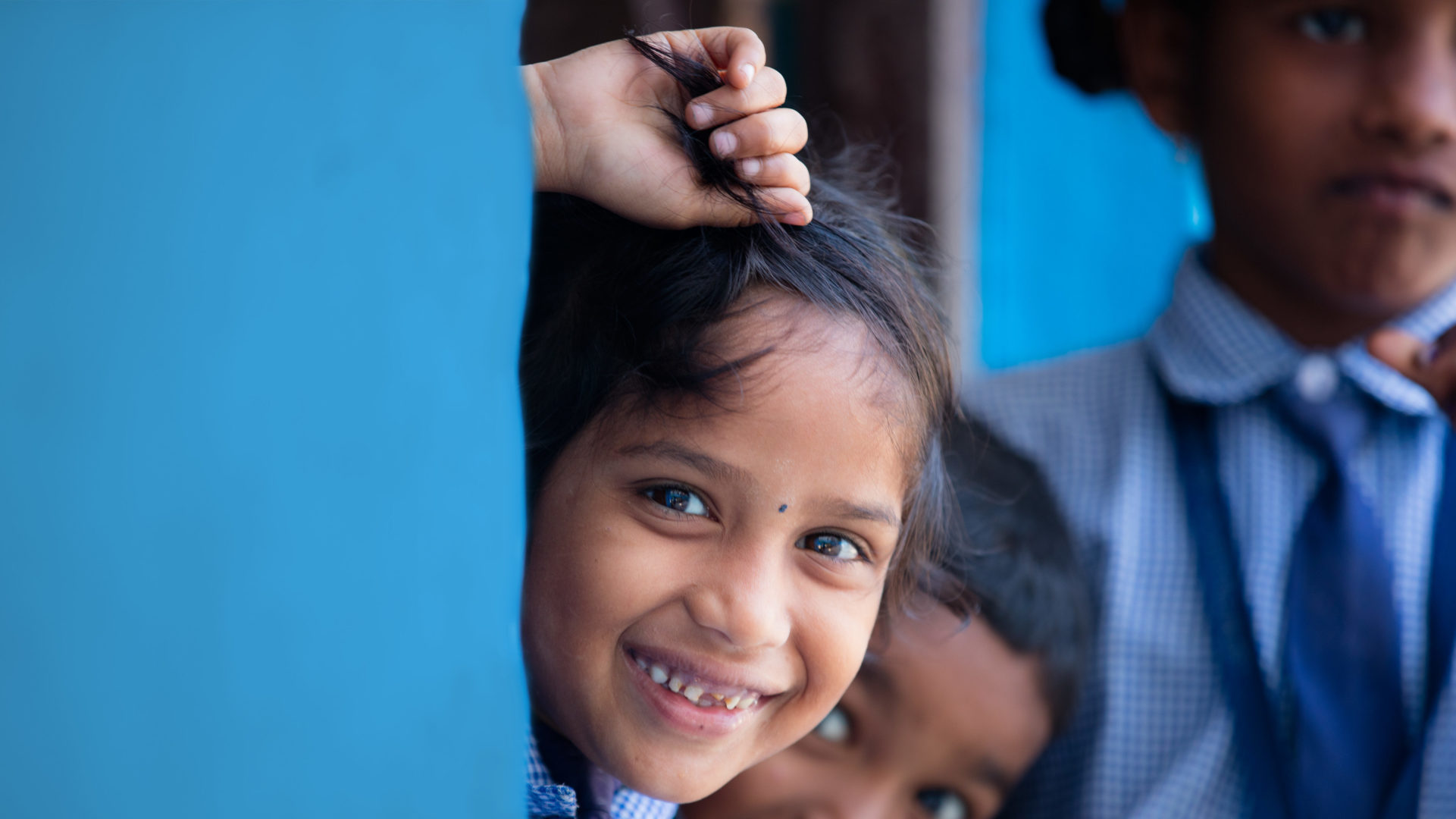
Annual Report 2018

The annual report is published for the year 2018 and gives an overview of the most important activities of the last year.

In 2018 all projects could be continued and in some cases developed. For example, the range of vocational training courses could be expanded to include manual courses. In the women’s shelter, 10 additional places were created and the number of school sponsorships in Hyderabad was increased. We wish you an exciting read!

The annual report also provides information on the finances of the Usthi Foundation and includes the financial statements for 2018. Usthi would like to thank all donors and supporters who made it possible for us to continue our commitment to children in need in 2018. Thank you very much!

The annual report can be downloaded online. If you would like a printed copy, it can be ordered free of charge at hello@usthi.ch or +41 55 511 21 25. The financial report in its entirety is written separately and is accessible online. It can also be ordered in printed form on request.

Annual Report 2018 – Download PDF

Audit Report 2018 – Download PDF
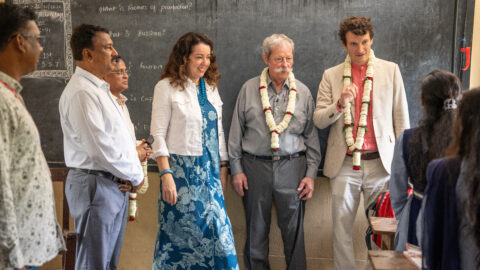
 

Besuch der Botschaftsdelegation in der Penthakata-Schule

Swiss Ambassador Tissafi Visits Usthi

Three and a half days full of encounters, impressions and truly heartfelt moments in the Indian state of Odisha are now behind us. We are honoured and grateful for the visit of Maya Tissafi, Ambassador of Switzerland to India and Bhutan, and Simon Schäfer, First Secretary of the Swiss Embassy in New Delhi. Together with […]

Project Handover: Thaddeus School in Bhastara, India

The Thaddeus School began operating in 2006 with 45 small children. Since then, the school has grown significantly, received its own school building, and now teaches around 200 children from kindergarten to 10th grade. At the end of 2025, Usthi will hand over the project entirely to the Indian partner organization. A meaningful moment and […]

“I now feel I can dream again”

Despite economic growth, securing a livelihood remains a major challenge for many families in India. The majority of Indians work in the informal labor market, usually without social security or employment contracts and often under precarious working conditions. Access to the labor market and to fairly paid jobs is marked by glaring inequalities: women in […]